Aldi
In May 2022, Bee Wilson published an article in The Guardian about comfort food. She described in detail the rich and nutritious dishes she had cooked in the immediate aftermath of her separation from her long-term partner. My mouth watered as I read the article: “big wodges of white bread soaked in egg with parmesan, Dijon mustard and Worcestershire sauce, fried in butter to a deep golden brown,” or “meatball […] sandwiched between slices of roasted aubergine and tomato, with a rich tomato sauce on top.” She defined the delicacies she had cooked in the days and weeks after her husband left as “trauma food,” or “what you cook and eat to remind you you’re alive when you are not entirely sure this is true.”

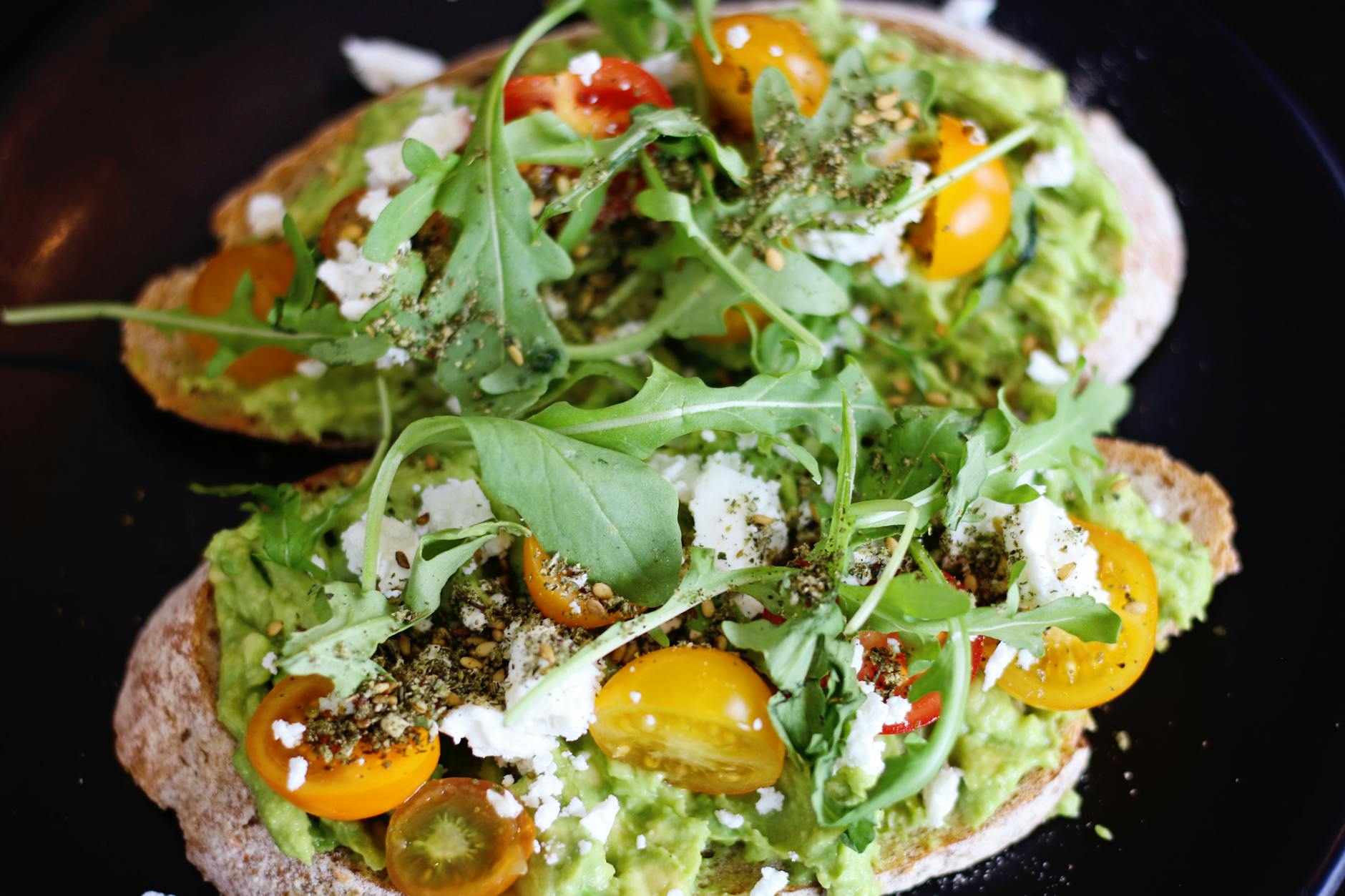
I closed my eyes and thought about what comfort food meant to me. To my own surprise, I visualized an Aldi-branded breaded chicken fillet, with the golden crust almost burnt on both sides, served with a side of rocket salad (also from Aldi). I could almost taste the sweetness of a seeded bread slice in my mouth, filled with rocket salad and the sour and salty taste of feta cheese. All from Aldi as well. When I ate this salad, the thick texture of the cheese dried out my mouth, and I had to make sure I had a full glass of water in front of me to hydrate between each mouthful of sandwich. When I really needed a boost in morale, I would toast a slice of bread and cover it with a spoonful of Aldi’s chocolate spread—Nutoka, I think it was called. The heat would make the spread melt slightly, just enough for me to lick my fingers after the last bite of toast.
My mother was, and still is, a wonderful cook. And so, I am told, was her mother before her. During my childhood and teenage years, my brother and I would sneak into the kitchen as the Bolognese sauce was cooking and steal a spoonful of the boiling sauce. Mum always complained that she had to budget 200g more meat than she had originally intended to use for the recipe, as she knew my brother and I would end up scooping out a substantial amount of the sauce before it was ready to serve or be frozen for the rest of the week. I had learned how to prepare handmade pasta, Bolognese sauce, and the thick chocolate cake she used to make for our birthdays not because she taught me directly, but because I had seen her do it so many times that the recipes—and the movements that went with them—had cemented themselves in my memory. This is why I was so surprised my mind did not go to the aromas of our family kitchen when I thought of comfort food. The breaded chicken, the rocket salad, the family bag of seeded bread slices, the cheap chocolate spread—these were the staples I usually bought and consumed during the first year of my PhD. Maybe I had not realized how often I had needed to remind myself I was alive during that first year of my PhD, even though I was not completely sure of it.
In 2015, I lived just minutes away from one of the two Aldi stores in Cambridge. In the years that followed, I always tried to live within biking distance of one. The breaded chicken fillets were around £2, and they came in packs of four, which meant I could make them last for at least two meals even if I was very hungry. The rocket salad was around 75p, and it could also last for at least two meals. I had never really liked salad as such, but rocket salad made me want to actually go home and eat vegetables. The cheap chocolate spread had become a joke with one of my closest friends, who was doing a PhD in the Midlands and had taken to riding his bike all the way to Cambridge at least once a year. “I am not coming if you don’t assure me I’ll find a jar of Nutoka when I arrive,” he used to tell me. Riding to Cambridge was a gamble, but I often wondered whether he would have done it if the prices of UK rail tickets had been less prohibitive.

During the second year of my doctorate, Aldi had to close the store for a few months due to renovations. I got stressed, as doing my weekly shopping in one of the more expensive supermarkets downtown would make my grocery budget skyrocket. Indeed, budgeting (for groceries, for rent, for the unexpected high dentist bill, for fieldwork) had been a constant source of stress throughout the degree. My combined scholarships amounted to around £1,250/month, and Cambridge was the third most expensive city to live and rent in the UK. I remember I had calculated that I needed to save at least £400 per month for all three years, in case I needed a fourth year to finish my thesis. Most PhD programs last four years, but my scholarship—like most PhD scholarships at the time—only funded three. It was pretty rare back then to hear of people being allowed an extension on their grants, and extensions were only granted in exceptional circumstances. Not being able to finish a four-year endeavor in three years was not considered exceptional enough. In month two of my PhD, my laptop died, and I had to buy a new one. Eating Greek salad made with a third of the £1.50 feta cheese packet from Aldi was the one accessible luxury that made me feel good at the end of the day.
During my last year in Cambridge, my parents came to visit. They stayed with me in the flat I was renting from my college. The place had come furnished, but I had decorated it with posters I had accumulated over the years, or that I had found for free on sharing apps. My dad asked me whether I had lived really stretched thin over those years. I looked around. I had grown fond of the pictures I had carried from house to house, and of the marks left by the sellotape I had taken off before or after a move. I particularly liked the bottles of beer with cute stickers that I had turned into flowerpots. But I could see that to an outsider’s eye, these tricks laid bare the budgeting engineering that for so many years had gone into making a home with shaky foundations. My financial situation had improved since I finished my PhD, but the precarity had not, and the habit of trying to make do was still difficult to shake off.
I live in Spain now, and I have been lucky enough to get a permanent contract. I still rent, but somehow, I no longer feel like the carpet could be swept from under my feet at any moment. Maybe it’s all an illusion, but I am doing the work of trying to ground myself in this—at least temporary—feeling of security. I’ve baptized papayas as my weekly treat, and I got myself a blender over Christmas to make smoothies and soup. I still go on trips with my friend who used to live in the Midlands, and we regularly make jokes about Nutoka. I still eat salad with feta cheese. Whenever I do, a part of me feels that Aldi’s feta cheese tasted better.
 Lorena Gazzotti